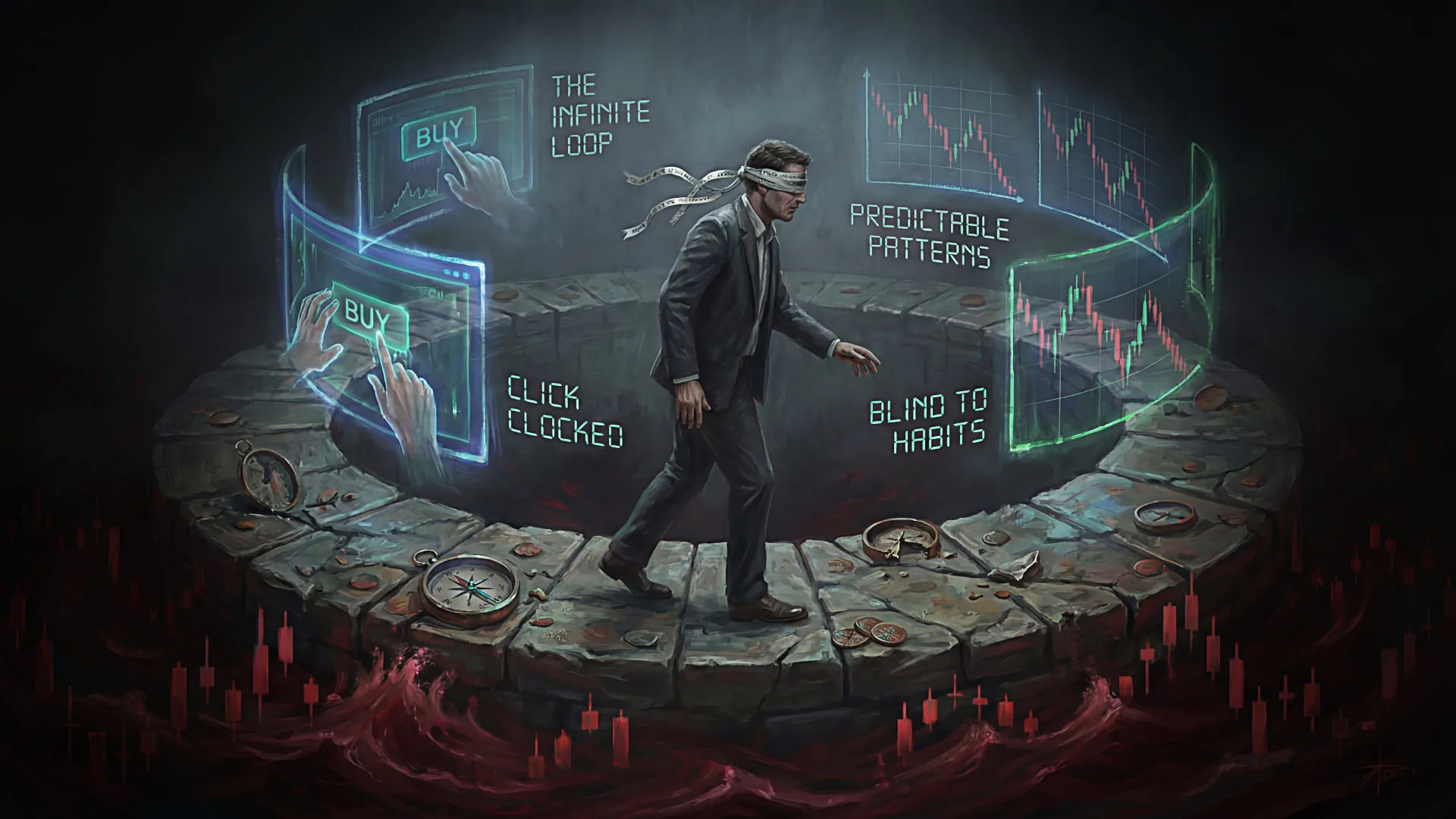
Ask any trader why they lose money, and you’ll hear the usual suspects: bad timing, wrong strategy, unlucky market moves. But dig a little deeper, and you’ll find that the real reason isn’t the market at all it’s the trader’s own failure to learn from past decisions.
The truth is, the #1 mistake traders make is not reviewing their own trades. Entries and exits get all the attention, but what happens after a trade is just as important. Without a consistent trade review process, traders are blind to their own habits and blind traders keep making the same costly errors.
Why Reviewing Trades Matters More Than You Think
Trading is a performance game. Just like athletes watch game tapes or pilots debrief after flights, traders need reflection to improve. When you skip self-review, every loss feels isolated, like bad luck. In reality, those losses often follow predictable patterns.
Think about it:
Are you taking too many trades after a big win?
Do you cut winners too quickly but let losers run?
Does your risk size expand when emotions are high?
Without a system for performance evaluation, these patterns stay invisible. The market punishes you again and again, while the lessons slip by unnoticed.
The Hidden Cost of Skipping Self-Review
When traders don’t review their trades, bad habits multiply. Overtrading, revenge trading, and inconsistent risk-taking don’t appear out of nowhere they’re built slowly through repetition.
A trader who never practices self-review might blame volatility or “market manipulation,” while the real problem is their own decisions. Worse, without reflection, the same errors creep into future trades, creating a cycle of frustration.
What a Solid Trade Review Process Really Looks Like
A real review is more than scrolling through your broker statement at the end of the week. Numbers alone only tell you whether you won or lost. They don’t explain why a trade worked, why it failed, or what you could do differently next time. That’s where a proper review process steps in. It turns raw data into lessons you can actually use.
Here’s what it should include:
1. Journaling analysis
Every trade starts with a decision, and every decision has a reason. Writing down why you took a trade forces you to be honest with yourself. Was it because your setup triggered or because you were bored and wanted action? Add how you felt in that moment confident, anxious, or greedy and whether you stuck to your plan. Over time, you’ll spot links between your emotions and your results that no broker report could ever show.
2. Context notes
A trade doesn’t happen in a vacuum. Market conditions, volatility, or breaking news often influence whether a setup works. Was the market trending or chopping sideways? Were you trading during a big Fed announcement or in the middle of low-volume hours? Capturing this context explains why a strategy worked one week and failed the next. It’s like adding the “weather report” to your trading diary essential for spotting patterns.
3. Pattern recognition
The real power of review comes when you step back and look at a group of trades together. Suddenly, themes emerge. Maybe all your profitable trades happen in the first two hours of the session. Maybe your losses cluster around Fridays. Or maybe you notice that trades taken “just because” never work out. This kind of pattern recognition is impossible without a record to look back on, but once you see it, you can make clear adjustments.
4. Performance evaluation
This is where you measure your execution, not just your ideas. Did you enter at the right moment, or chase the move after it was already gone? Did you hold long enough to hit your target, or panic out too early? Were your stops and position sizes consistent, or all over the place? By tracking things like entry/exit efficiency and risk-to-reward ratios, you learn whether your strategy is sound or your execution is holding you back.
When you put all of this together journaling, context, patterns, and performance your review process becomes more than bookkeeping. It becomes coaching. Instead of guessing what went wrong, you’ll know exactly where you slipped and what needs improvement. And that self-awareness is what separates traders who stagnate from traders who steadily get better.

How ChartWise Makes Review Effortless
Here’s the hard part: most traders don’t stick to reviews because spreadsheets and notebooks are messy, time-consuming, and easy to ignore. That’s why we built ChartWise.
ChartWise turns reflection into a structured, automated process:
Journaling analysis without the hassle — tag trades by setup, emotion, or mistake and see instant patterns.
Self-review dashboards — visualize your strengths and weaknesses in seconds instead of digging through logs.
Performance evaluation tools — measure entry and exit efficiency, risk consistency, and trade outcomes side by side.
Trader review habits made simple — weekly or monthly reviews are built into the platform, so reflection becomes a routine, not an afterthought.
Instead of treating self-review as “extra work,” ChartWise makes it the easiest, most valuable part of your trading process.
Building a Habit of Self-Review
Like going to the gym, reviewing trades works best when it becomes a routine. A few tips to make it stick:
Set a schedule. Choose a fixed day and time for your review — Friday afternoons, Sunday evenings, or whenever the market closes for you. Consistency builds discipline.
Keep it simple. Don’t overwhelm yourself with 20 metrics. Start with just three: reason for entry, risk/reward, and outcome. Expand as you go.
Celebrate small wins. Spotting even one repeated mistake and fixing it is progress. Acknowledge it.
Use tools that help. Platforms like ChartWise cut the friction out of journaling so you can focus on insights, not data entry.
The Big picture
Skipping trade reviews is the fastest way to stay stuck. Reflection is the step that separates traders who grow from traders who spin their wheels.
With a proper trade review process, mistakes stop being random accidents and start becoming lessons. Journaling analysis, self-review, and performance evaluation give you the clarity to break bad habits and sharpen good ones.
And with ChartWise, that process becomes effortless. You don’t just log trades you learn from them. You don’t just reflect you improve.
The market will always be unpredictable. But your habits don’t have to be. The #1 mistake traders make is ignoring their own history. Don’t let it be yours.
Start reviewing your trades the smart way.
Start reflecting with ChartWise.